Insect Control 101: Identifying Common Vermin and Their Efficient Therapies
Parasite control is a basic aspect of maintaining a healthy and balanced living atmosphere. Usual parasites like ants, rats, and different bugs can position considerable difficulties. Understanding their behaviors and indications of infestation is vital for efficient management. While chemical services exist, there are additionally all-natural options worth taking into consideration. As one explores the subtleties of parasite identification and therapy choices, the value of prevention techniques comes to be increasingly apparent. What approaches can genuinely keep insects at bay?
Identifying Ants: Kinds and Their Habitats
Ants, tiny yet awesome bugs, are a varied group that can be located in various atmospheres around the world. There are over 12,000 identified varieties, each showing unique actions and adjustments. Usual types include the black garden ant, which prospers in warm areas, and the fire ant, known for its uncomfortable sting, widespread in warmer areas. Woodworker ants prefer wet wood, making them a problem for property owners, while odorous home ants are attracted to human food resources.
Ants construct intricate nests, usually underground, in timber, or within frameworks. Their environments vary from woodlands to urban settings, showcasing their versatility. Many types are social, living in colonies that can differ in size from a few lots to millions. Identifying the sort of ant is necessary for effective insect administration, as each varieties has different nesting habits and foraging behaviors that affect control techniques. Comprehending their environments help in avoidance and treatment initiatives.
Recognizing Rats: Indications of Problem
Rodents, like ants, can posture considerable difficulties for organizations and property owners alike. Recognizing indications of an infestation is essential for effective pest control. Usual indications include droppings, which are often discovered near food resources or nesting areas; small, dark pellets that can be mistaken for seeds. Chewed cables, furnishings, or packaging might additionally signal a rodent presence, as they continuously nibble to keep their teeth workable. In addition, homeowners might see gnaw marks on baseboards or wall surfaces. Unpleasant odors, stemming from urine and droppings, can indicate a bigger issue. Damaging or scooting noises, specifically in the evening, are another warning sign of rodents. The presence of nests, typically composed of shredded products like paper or textile, can validate an infestation. Addressing these signs immediately can help minimize damages and avoid the spread of diseases linked with rodents.
Typical Bug Pests: From Aphids to Termites
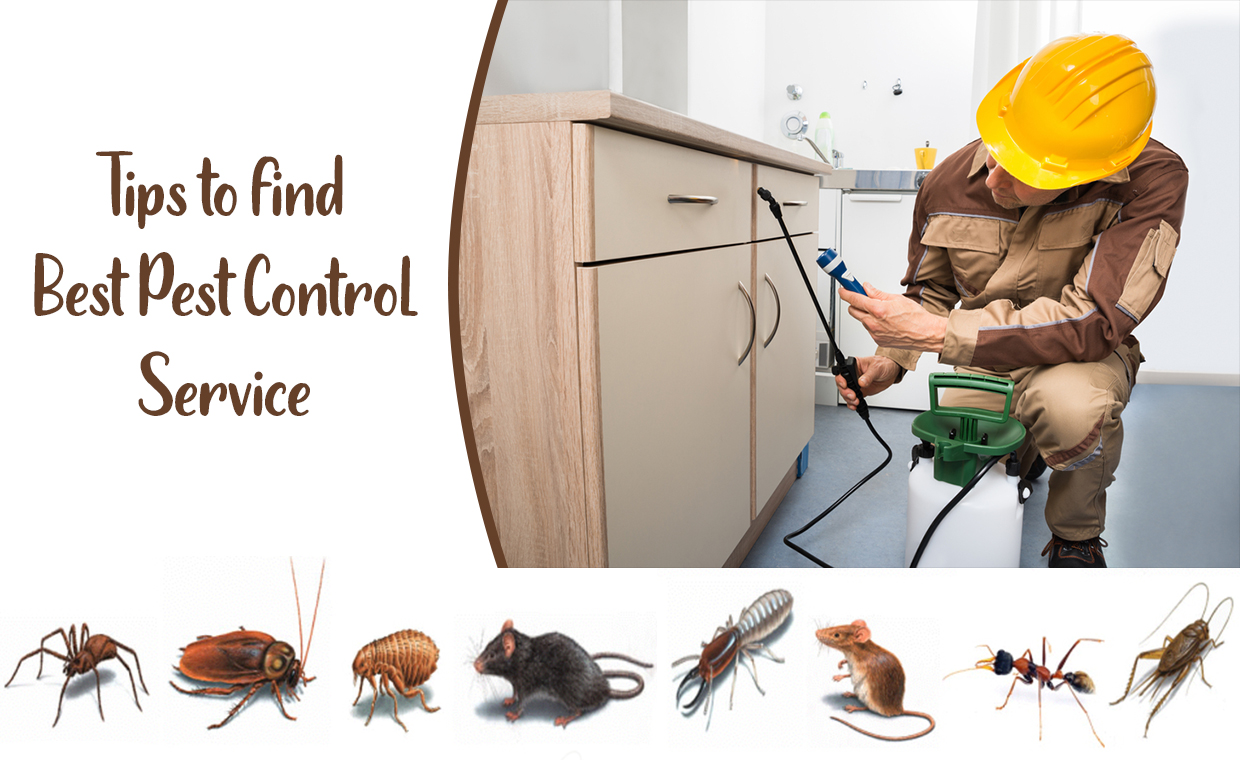
Insects stand for a varied group of parasites that can unleash havoc in gardens and homes, with species varying from small aphids to devastating termites. Aphids are small, sap-sucking bugs that can promptly infest plants, causing stunted growth and distortion. They typically draw in ants, which shield them from all-natural killers. On the other end of the range, termites are infamous for causing considerable architectural damage to wooden frameworks. They take in cellulose found in wood, compromising the honesty of homes and structures. Various other usual pest parasites consist of cockroaches, which flourish in unhygienic problems, and insects, understood for their attacks and difficulty in obliteration. Flies, especially houseflies, can contaminate food and transmit diseases, while mosquitoes present health and wellness risks through their bites. Efficient insect monitoring starts with identifying these parasites and understanding their habits, which is essential for protecting and protecting against invasions both residential property and health.
Effective Therapies: Chemical and Natural Solutions
While home owners usually look for immediate remedy for insect invasions, picking the ideal therapy-- whether chemical or natural-- requires mindful consideration of performance and safety. Chemical solutions, such as insecticides and pesticides, can provide fast results yet typically lug dangers, consisting of possible harm to ecological worries and non-target varieties. Property owners have to review tags, adhere to application standards, and consider the timing of therapies to decrease risks.
On the other hand, natural options, such as diatomaceous earth, essential oils, or homemade traps, allure to those looking for environment-friendly alternatives. They might take longer to show outcomes, lots of natural therapies are much safer for families with pet dogs and youngsters. Integrated bug management, which combines both chemical and all-natural techniques, can additionally be reliable. Inevitably, the selection in between these treatment types ought to align with the seriousness of the infestation, individual values relating to safety, and the details bug being targeted
Avoidance Techniques: Maintaining Your Home Pest-Free
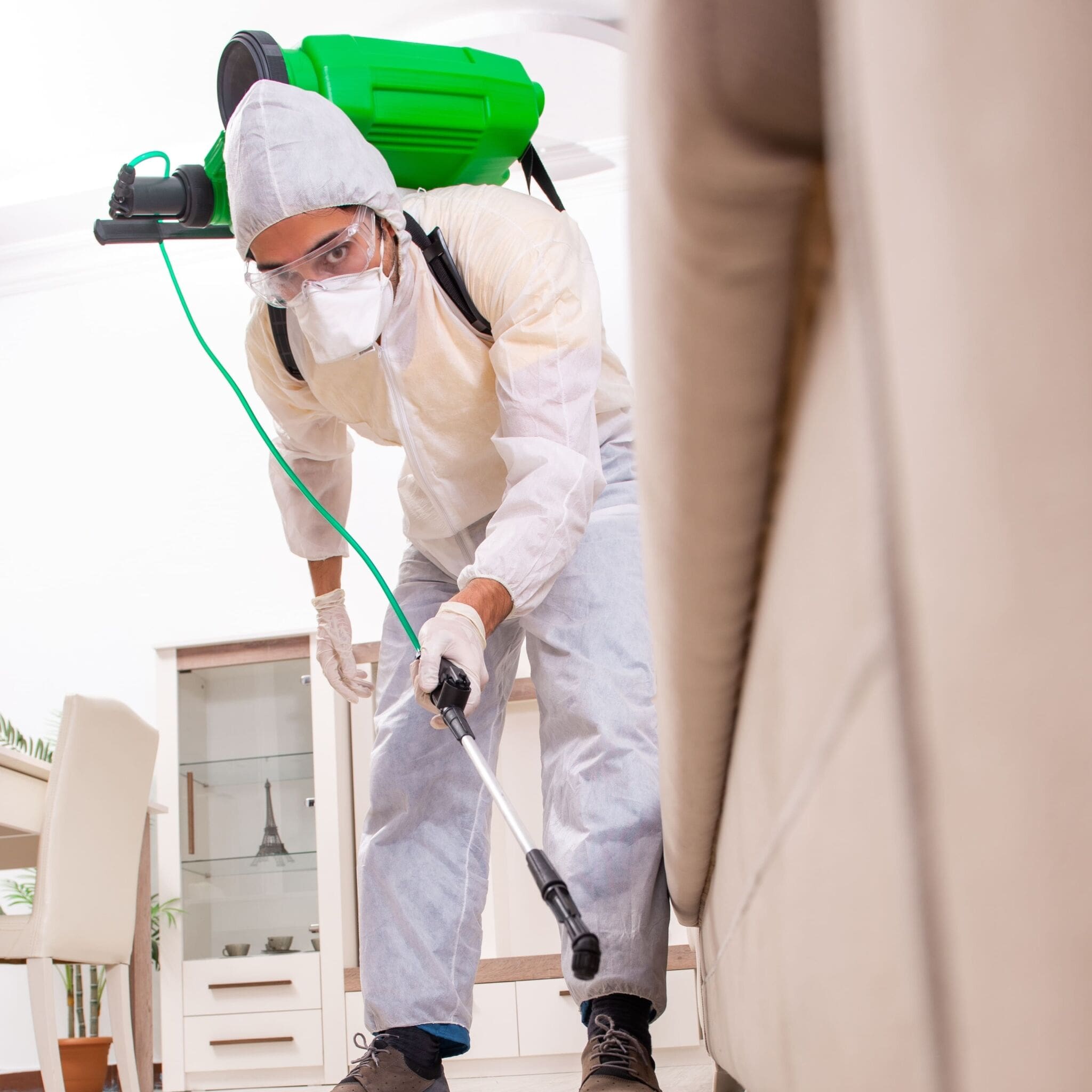
Furthermore, appropriate landscaping can deter pests; keeping bushes trimmed and getting rid of debris from the backyard reduces concealing locations. House owners need to additionally consider dampness control, as several insects prosper in wet problems. Repairing leaks and making certain appropriate drain can minimize this threat. Using all-natural deterrents, such as important oils or diatomaceous earth, can produce an unfavorable environment for insects. By applying these strategies, individuals can create a pest-free home and lower the likelihood of future invasions.
Regularly Asked Questions
Just how Do I Know if I Have an Insect Trouble?
Signs of a bug issue consist of droppings, munch marks, have a peek here nests, or uncommon noises. Observing harmed food or home, as well as unusual bites or rashes, might additionally suggest the existence of parasites in the setting.
Exist Any Type Of Seasonal Insect Trends to Be Familiar with?
Can Indoor Plants Attract Pests?
Interior plants can undoubtedly draw in parasites, as they give an appropriate atmosphere for insects like aphids and crawler mites. Pest Control Homestead. Proper care and regular inspection are important to avoid infestations and preserve plant wellness
What Are the Health Dangers Connected With Bug Infestations?
Pest invasions present numerous wellness threats, consisting of allergic reactions, breathing concerns, and the spread of illness. Exposure to parasites like rodents and pests can lead to infections, attacks, and contamination of food and living settings.
Exactly how Typically Should I Check My Home for Bugs?
Normal inspections must take place at least when every period, making sure any indications of pest activity are spotted early. Homeowners may readjust frequency based upon their details atmosphere and previous pest issues. Uniformity is vital.
Usual insects like ants, rodents, and different insects can present considerable difficulties. Identifying the kind of ant is vital for reliable pest administration, as visit our website each species has various nesting behaviors and foraging behaviors that influence control techniques. While home owners frequently seek prompt alleviation from insect problems, picking the best treatment-- whether chemical or natural-- calls for careful factor to consider of effectiveness and safety and security. Effective insect control prolongs past prompt treatments; it also includes aggressive measures to prevent problems prior to they begin. Seasonal pest patterns often consist of raised rodent activity in autumn as they seek heat, while spring typically brings an influx of ants and termites.